Most of zone 10 sees little or no frost, so the calendar turns around: warm-season flowers and crops go in from late winter to spring, and cool-season ones such as pansies, snapdragons, lettuce and broccoli are planted in fall for winter and spring.
Full sun: hardy in zone 10
Not reliably hardy in zone 10
These need a colder winter. Some can be grown in pots and moved inside.
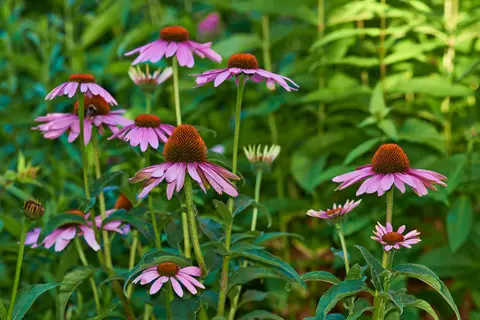 Purple coneflowerZones 3 to 8Black-eyed SusanZones 3 to 9DaylilyZones 3 to 9HostaZones 3 to 9
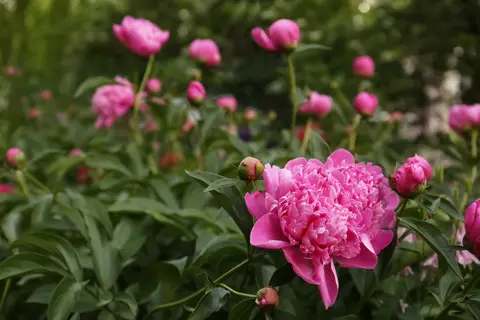 Garden peonyZones 3 to 8Perennial salviaZones 4 to 8CatmintZones 3 to 8
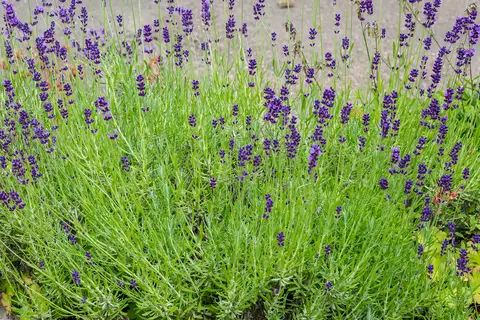 English lavenderZones 5 to 8Shasta daisyZones 5 to 9Bee balmZones 4 to 9Garden phloxZones 4 to 8Creeping phloxZones 3 to 9Coral bellsZones 4 to 9AstilbeZones 4 to 8Autumn Joy sedumZones 3 to 9YarrowZones 3 to 9TickseedZones 3 to 9Russian sageZones 4 to 9Hardy hibiscusZones 4 to 9Bleeding heartZones 3 to 9Lenten roseZones 4 to 9ColumbineZones 3 to 8Blue false indigoZones 3 to 9New England asterZones 3 to 8Anise hyssopZones 4 to 8Bearded irisZones 3 to 9Siberian irisZones 3 to 9SwitchgrassZones 4 to 9Little bluestemZones 3 to 9Ostrich fernZones 3 to 7Lamb's earZones 4 to 8Spike speedwellZones 3 to 8FoxgloveZones 4 to 8DelphiniumZones 3 to 7LupineZones 4 to 8
Zones measure winter cold, not season length, so your own frost dates can be a week or two off the zone median. Look up your frost dates by ZIP code, or read all about zone 10a.
Hardiness ranges, light and size are typical figures from university extension services and botanic garden plant records; a named variety can differ, so check its tag. Planting dates come from each zone's median frost dates (NOAA 1991 to 2020 climate normals) and the timing rules in how we check.